5 Results
-
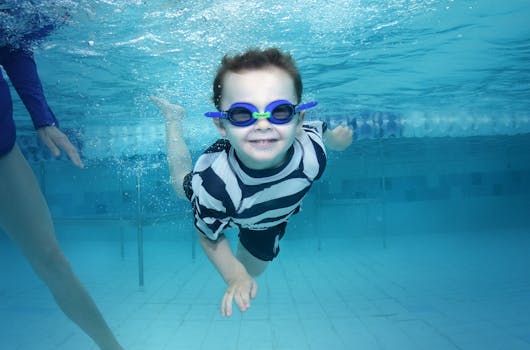 WaitlistLevel 1: Introduction to Water Skills-EBEarly Bird: May 11-21Prerequisite: Pass Preschool or age 6+ Helps participants feel comfortable in the water. Skills to be covered: enter and exit water; retrieve submerged objects; front and back glides and front and back float; alternating and simultaneous arm and leg actions on front and back; combined arm and leg actions on front and back; staying safe around aquatic environments. PRICING: We are using a sliding scale model for program fees so our summer aquatics programs can be financially sustainable and more equitable. Families are asked to pick the price that they are able to pay. By more clearly articulating our lower cost options, we have removed the barrier that some may have felt in making scholarship requests. When families participate at the higher price levels, they help make the program more sustainable.Summer 2026
 -
 Aislyn Swimming (flickr) (CC BY 2.0)
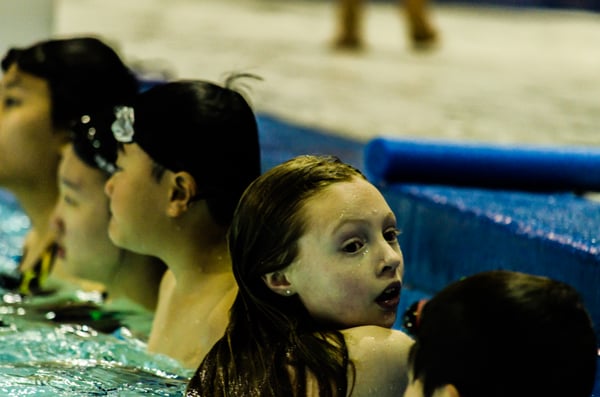
Level 2: Fundamental Aquatic Skills-EBEarly Bird: May 11-21Prerequisite: Pass Level 1 Givers participants success with fundamental skills. Skills to be covered: front, jellyfish and tuck floats, recover from a front and back float or glide to a vertical position, change direction of travel while swimming on front or back, tread water using arm and leg actions, combined arm and leg actions on front and back. PRICING: We are using a sliding scale model for program fees so our summer aquatics programs can be financially sustainable and more equitable. Families are asked to pick the price that they are able to pay. By more clearly articulating our lower cost options, we have removed the barrier that some may have felt in making scholarship requests. When families participate at the higher price levels, they help make the program more sustainable.Summer 2026
Aislyn Swimming (flickr) (CC BY 2.0)
Level 2: Fundamental Aquatic Skills-EBEarly Bird: May 11-21Prerequisite: Pass Level 1 Givers participants success with fundamental skills. Skills to be covered: front, jellyfish and tuck floats, recover from a front and back float or glide to a vertical position, change direction of travel while swimming on front or back, tread water using arm and leg actions, combined arm and leg actions on front and back. PRICING: We are using a sliding scale model for program fees so our summer aquatics programs can be financially sustainable and more equitable. Families are asked to pick the price that they are able to pay. By more clearly articulating our lower cost options, we have removed the barrier that some may have felt in making scholarship requests. When families participate at the higher price levels, they help make the program more sustainable.Summer 2026 -
 Aka Hige (flickr) (CC BY 2.0)
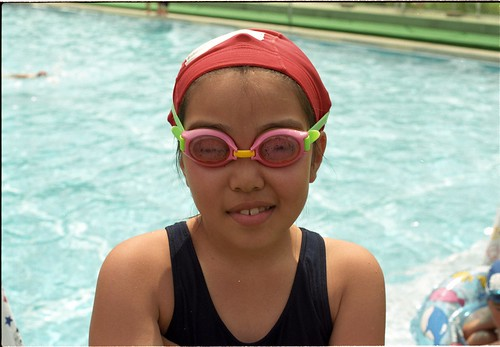
Level 3: Stroke Development-EBEarly Bird: May 11-21Prerequisite: Pass Level 2 Builds on the skills in Level 2 though additional guided practice in deeper waters. Skills to be covered include: headfirst entry from the side in the sitting and kneeling positions, rotary breathing, back float, push off in a streamlined position then begin flutter and dolphin kicks on front, front crawl and elementary backstroke, scissor kick. PRICING: We are using a sliding scale model for program fees so our summer aquatics programs can be financially sustainable and more equitable. Families are asked to pick the price that they are able to pay. By more clearly articulating our lower cost options, we have removed the barrier that some may have felt in making scholarship requests. When families participate at the higher price levels, they help make the program more sustainable.Summer 2026
Aka Hige (flickr) (CC BY 2.0)
Level 3: Stroke Development-EBEarly Bird: May 11-21Prerequisite: Pass Level 2 Builds on the skills in Level 2 though additional guided practice in deeper waters. Skills to be covered include: headfirst entry from the side in the sitting and kneeling positions, rotary breathing, back float, push off in a streamlined position then begin flutter and dolphin kicks on front, front crawl and elementary backstroke, scissor kick. PRICING: We are using a sliding scale model for program fees so our summer aquatics programs can be financially sustainable and more equitable. Families are asked to pick the price that they are able to pay. By more clearly articulating our lower cost options, we have removed the barrier that some may have felt in making scholarship requests. When families participate at the higher price levels, they help make the program more sustainable.Summer 2026 -
 Lucian Savluc (flickr) (CC BY 2.0)
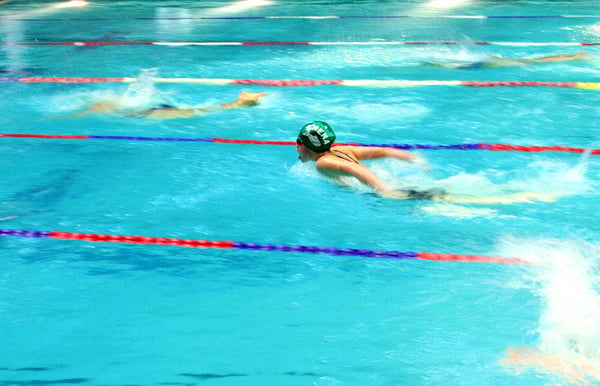
Level 4: Stroke Improvement-EBEarly Bird: May 11-21Prerequisite: Pass Level 3 Develops confidence in the skills learned and improves other aquatic skills. Skills to be covered include: swim under water, feet first service dive, survival swimming, front crawl and back crawl, elementary backstroke, breaststroke, sidestroke and butterfly. PRICING: We are using a sliding scale model for program fees so our summer aquatics programs can be financially sustainable and more equitable. Families are asked to pick the price that they are able to pay. By more clearly articulating our lower cost options, we have removed the barrier that some may have felt in making scholarship requests. When families participate at the higher price levels, they help make the program more sustainable.Summer 2026
Lucian Savluc (flickr) (CC BY 2.0)
Level 4: Stroke Improvement-EBEarly Bird: May 11-21Prerequisite: Pass Level 3 Develops confidence in the skills learned and improves other aquatic skills. Skills to be covered include: swim under water, feet first service dive, survival swimming, front crawl and back crawl, elementary backstroke, breaststroke, sidestroke and butterfly. PRICING: We are using a sliding scale model for program fees so our summer aquatics programs can be financially sustainable and more equitable. Families are asked to pick the price that they are able to pay. By more clearly articulating our lower cost options, we have removed the barrier that some may have felt in making scholarship requests. When families participate at the higher price levels, they help make the program more sustainable.Summer 2026 -
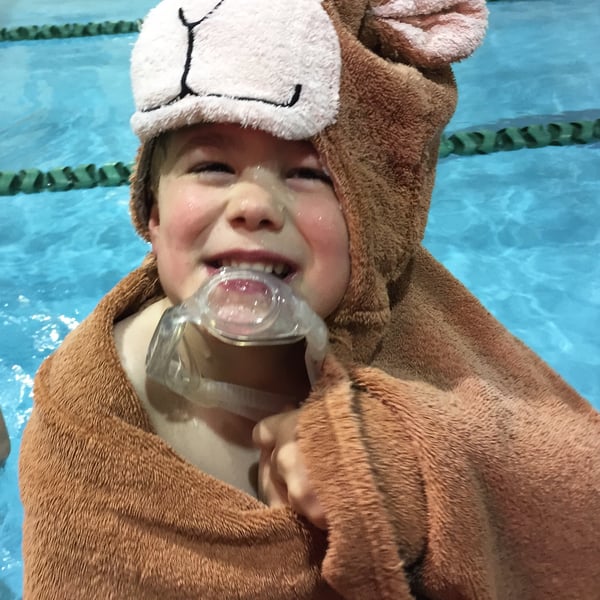 WaitlistRyan Dickey (flickr) (CC BY 2.0)Preschool Aquatics: Ages 4 & 5-EBEarly Bird: May 11-21Helps participants feel comfortable in the water and to enjoy the water safely. We will be working on: entering and exiting water, blowing bubbles through mouth and nose, front and back glide, front and back float, rolling from front to back and back to front, combine arm and leg actions on front and back. Our goal is to teach that swimming is fun. PRICING: We are using a sliding scale model for program fees so our summer aquatics programs can be financially sustainable and more equitable. Families are asked to pick the price that they are able to pay. By more clearly articulating our lower cost options, we have removed the barrier that some may have felt in making scholarship requests. When families participate at the higher price levels, they help make the program more sustainable.Summer 2026